


Choosing a mount rarely gets the attention it deserves. The display, the projector or the conferencing system gets specified first, and the mount becomes a decision made at the end, often under time pressure. Yet it's the one component holding everything else in place, and it shapes how safe, usable and adaptable the finished installation will be.
With such a wide choice available, narrowing it down can feel daunting. The good news is that the right mount usually comes down to a handful of clear questions, and working through them in the right order makes the decision far simpler.
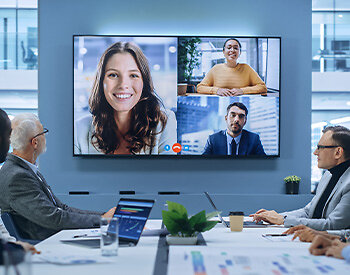
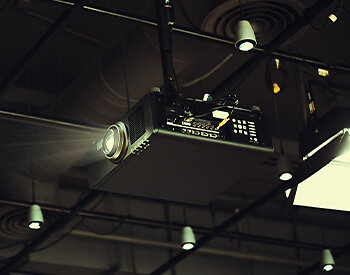
Start with the Equipment
Every selection begins with what's being mounted. Screen size, weight and the VESA pattern on the back of the display set the baseline, and any mount under consideration needs to comfortably match these requirements. It's also worth thinking about what else will sit alongside the display, such as a video conferencing camera, a sound bar or a media player, because these additions affect both weight and layout.
For smaller screens, a VESA 75x75 wall mount is a compact option.
The type of equipment matters too. A flat panel, a projector and a multi-screen video wall each have different demands, and the mount needs to be designed for the job rather than adapted to it.
Understand What You're Fixing Into
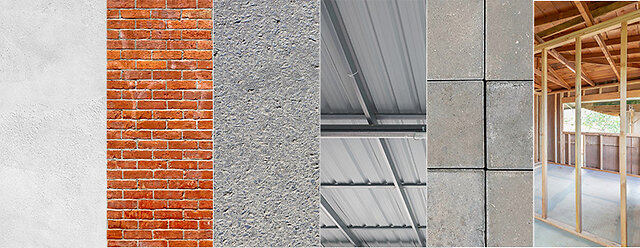
A mount is only as secure as the surface behind it. Walls, ceilings and floors vary enormously, from solid masonry to stud partitions, suspended ceilings and concrete soffits, and each calls for different fixing methods. Establishing what's behind the surface before a product is chosen avoids unwelcome surprises on the day of installation.
This is also what determines which type of mounting is realistic for the space:
Wall mounts: a dependable choice where the wall construction allows, from fixed and tilting options through to those with greater adjustability
Ceiling mounts: freeing up wall and floor space, and a natural fit for projectors and suspended displays
Floor-to-ceiling solutions: useful where a wall can't carry the load, or where a display needs to stand clear of the wall
Floor-to-wall solutions: adding stability where a freestanding look is wanted, but extra support is needed
Stands and trolleys: suited to spaces that need to flex, with no permanent fixing at all
For ceilings, a projector ceiling mount suits projectors, while a ceiling suspended TV keeps screens clear of the floor.
On walls, a universal TV wall mount suits most flat panels.
Match the Mount to the Setting
The environment a display lives in is just as important as the structure around it. A boardroom, a classroom, a retail floor, a transport hub and an outdoor space all place different demands on a mount, whether that's constant public footfall, the need to deter tampering, exposure to the elements, or a requirement for a polished finish that complements the room.
Application matters in the same way. A display built for presentations needs different positioning to one designed for collaboration or for attracting customers. Being clear on the purpose of the screen, and who will be using it, helps to narrow the options quickly.

Think About Positioning, Access and Cabling
Once the type of mount is clear, attention turns to how the installation will actually work day-to-day. Height and angle determine whether a display is comfortable to view from across the whole room or only from one spot. Cabling needs a planned route rather than a tidy-up afterwards, and the equipment should remain reachable for the people who will service or adjust it in years to come.
These are the details that rarely show up on a product specification, but they're often what separates an installation that simply works from one that works well for years.
Allow for What Comes Next
Displays get larger, rooms change purpose and technology moves on. A mount chosen only for today's screen can quickly become a limitation. Opting for solutions with broad compatibility and a modular approach means components can be adjusted, added to or reconfigured later, rather than replaced outright. Where a standard product doesn't quite fit, a custom solution or UNICOL's online Mount Configurator tool can help to bridge the gap.

Getting It Right Starts with a Conversation
Even with a clear checklist, real projects have a habit of throwing up the unexpected, whether that's an awkward ceiling void, an unusual wall build-up or a requirement that doesn't match anything off the shelf. In those moments, the right knowledge behind the decision counts as much as the product itself.
That's where the UNICOL team comes in. Questions big and small are welcome, and an experienced team is only a call away to help work through the specifics of a project. It isn't about handing over a product and stepping back, it's about helping to find the right answer from the outset.
Mount for the Future
Choosing the right mount comes down to understanding the equipment, the structure, the setting and the people using the space, and leaving room for change. When each of these is given proper thought, the mount stops being an afterthought and becomes the reason an installation succeeds. Smarter spaces start with the right foundation, and with a team on hand to help you find it.